
Mytek Pros delivers end-to-end IT services, managed security, and low-voltage design/build for businesses across San Diego County and California.
Loading
Mytek Pros delivers end-to-end IT services, managed security, and low-voltage design/build for businesses across San Diego County and California.

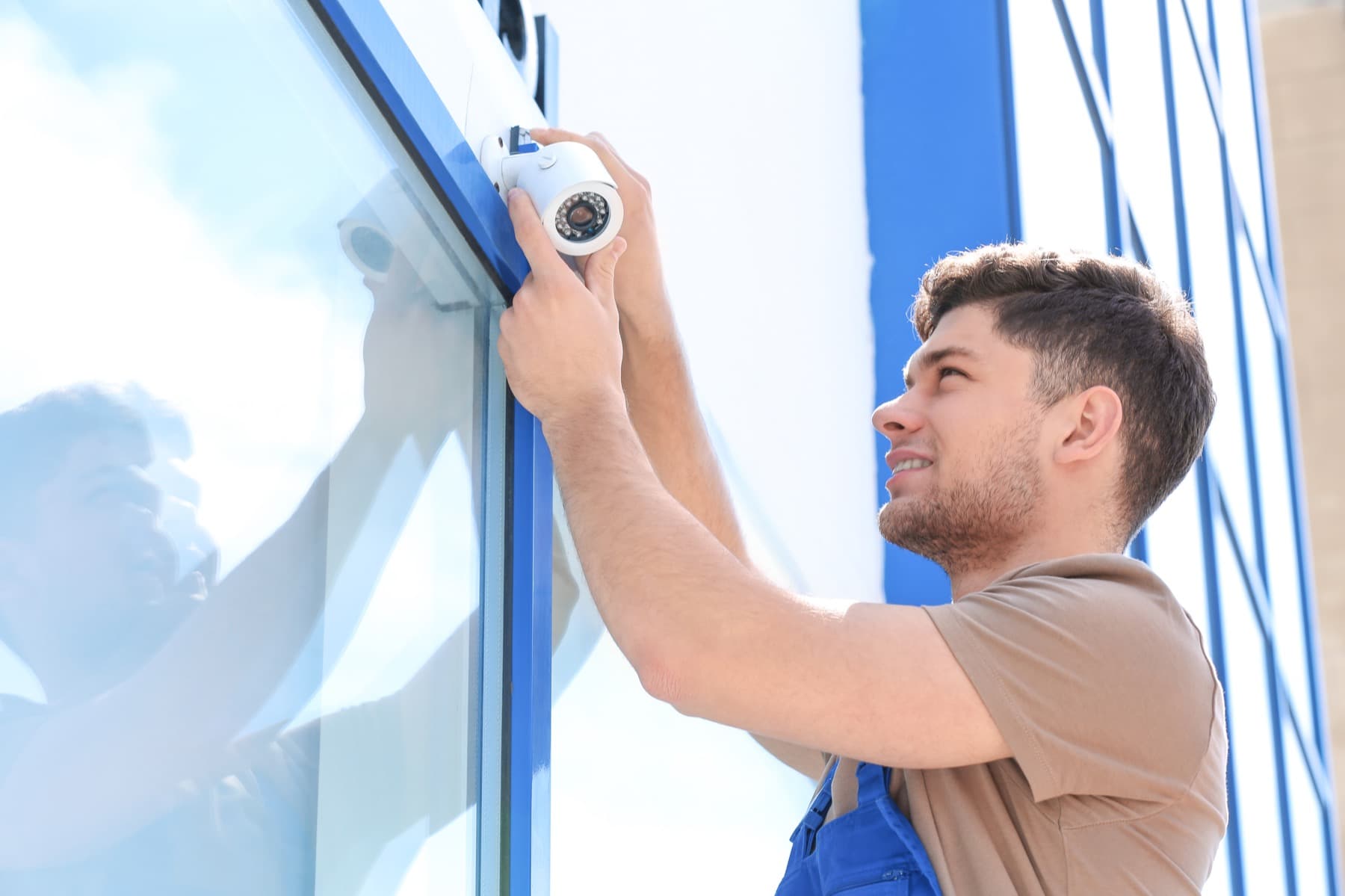
Every commercial property, multifamily community, and affordable housing development faces the same question eventually: how do you actually see what's happening on-site, in real time, and prove it later if something goes wrong? That's the problem professional video surveillance solves, and it's the core of what Mytek Pros delivers as a licensed low voltage security camera contractor (License #1116987) with DIR public-works registration (PW-LR-1001158430) serving San Diego, Carlsbad, and the rest of Southern California. We design and install commercial security camera systems that go beyond a box of cameras from a big-box store — structured cabling, properly placed IP cameras, NVR/cloud storage configured to your retention needs, and a network hardened by the same MSP team that manages your IT. That combination of physical security and cybersecurity is what separates a real CCTV installer from a vendor who just mounts hardware and leaves.
Video surveillance systems today are shifting fast, and Mytek Pros is built for where the industry is headed, not where it used to be. Cloud-based security cameras, or Video Surveillance-as-a-Service (VSaaS), are replacing the old model of an on-site DVR nobody monitors — the VSaaS market is projected to roughly double by 2029, and for good reason: property managers and business owners want remote video access from a phone, footage stored safely off-site, and no single point of failure sitting in a closet. We install and manage both traditional NVR-based systems and cloud-managed IP camera platforms, and we help clients choose based on the property, the budget, and how the footage actually needs to be used. On top of that, AI security camera analytics are no longer a luxury add-on — behavior detection, license plate recognition, loitering alerts, and even weapon detection are increasingly requested by schools, multifamily properties, and retail clients who want a system that flags a problem instead of just recording one after the fact.
Commercial camera system installation looks different depending on the property type, and we scope it that way. A warehouse security camera installation needs wide-coverage outdoor lenses, loading dock visibility, and rugged, weatherproof housings that hold up to coastal salt air and marine layer humidity common from San Diego to Ventura County. A retail store security camera system is built around point-of-sale coverage, entrance/exit monitoring, and organized retail theft prevention — a real and growing concern in California right now, with state task forces actively pursuing organized retail crime cases across the state. A parking lot security camera installation needs high-resolution, IR-capable cameras that can actually resolve a license plate at night, not just a grainy silhouette. And for multifamily apartment security camera systems and affordable housing surveillance camera installation — a vertical we know well from our senior-living and affordable housing work — we design around common-area coverage, package rooms, garages, and the footage retention timelines increasingly expected by HUD properties, insurers, and local ordinances.
We serve business and property owners throughout San Diego County, Carlsbad, Escondido, Chula Vista, and Oceanside, and we regularly take on commercial security camera installation projects in Orange County, Los Angeles County, Riverside County, and San Bernardino County. Wherever the job is, the same standard applies: DIR-registered, BICSI-certified structured cabling and CCTV installation, done by technicians who understand both the physical install and the network it rides on. As a certified DBE/DVBE/MBE contractor, we're also well positioned for public agency, housing authority, and school district projects that require certified vendors.
California businesses also have to think about compliance, not just coverage. State law (Penal Code 632) prohibits recording audio without consent, employers must give written notice before workplace video monitoring, and cameras can't be placed in restrooms, locker rooms, or other private areas. New CPPA rules under the CCPA add risk-assessment obligations for businesses processing surveillance data starting in 2026. Retailers accepting payment cards near camera-covered POS areas also need to think about how footage storage and access intersect with PCI compliance. We build systems and retention policies with these rules in mind so clients aren't left exposed after the install is done.
What makes Mytek Pros the right security camera company near you isn't just the install — it's everything around it. We're a working MSP, so the camera system we design integrates with your existing network, your IT support, and your long-term budget instead of becoming an orphaned system nobody maintains. Whether you need a single-building commercial CCTV system, a multi-property cloud-managed video surveillance rollout, or a structured cabling and camera install bundled with managed IT support, we scope it, quote it, and stand behind it as your licensed low voltage contractor from day one.
A professionally designed camera system is the result of a process, not a parts list. When Mytek Pros scopes a commercial CCTV project, it starts with a discovery call to understand your goals, budget, and any compliance drivers, followed by an on-site walkthrough where we physically document vulnerable entry points, lighting conditions at night, cable-run distances back to your network closet, and existing power availability. From there, our BICSI-certified design process selects camera types, lens angles, and resolution based on actual sightlines at your property, not a generic template, and sizes storage retention to match how many days of footage you actually need to keep. Only after the design is validated do we move into installation, termination, and labeling done to code. The build closes with coverage testing, night and low-light verification, and a hands-on walkthrough so your team knows how to pull footage before you ever need it for an incident, an insurance claim, or a police report.
Many of the calls we get in Carlsbad and across California aren't for brand-new systems, they're for properties whose existing cameras quietly stopped doing their job. Common warning signs include:
New ownership or a change in property management is another common trigger, since it's not unusual to inherit a camera system with undocumented blind spots and no idea what's actually being recorded. As a general rule of thumb, a full technology and condition review every three to five years catches these problems before they surface during an actual incident, when it's too late to do anything about it.
For multifamily and affordable housing owners, camera coverage is also a liability question, not just a security one. Under California premises liability principles, property owners and managers are expected to take reasonable measures against foreseeable criminal activity, and negligent security claims frequently center on the same handful of locations: parking garages, stairwells, elevators, and mailroom or lobby areas where package theft is common. A system that technically exists but has poor placement, unmonitored blind spots, or footage that isn't actually retained long enough to be useful doesn't necessarily satisfy that standard, courts look at whether coverage was adequate, not just present. This is a particularly relevant consideration for affordable housing developments, where lenders and funders increasingly expect documented, properly designed security infrastructure as a condition of financing, and for any property that has experienced a break-in, assault, or theft where the footage turned out to be unusable.
California and federal rules around surveillance technology are shifting quickly, and a few 2026 developments are directly relevant to Mytek's clients. On the federal side, expanded restrictions on certain Chinese-manufactured video surveillance equipment brands mean businesses and especially affordable housing developments using federal financing should confirm their camera hardware is compliant before a renewal or new install, since older exemptions have narrowed. On the state side, California's evolving CCPA rules around automated decision-making technology are starting to reach camera systems that layer on AI analytics such as facial recognition, meaning businesses adding those features should understand new notice and opt-out obligations, separate from the general recording-consent rules. We design every system with these considerations in mind so our clients aren't caught off guard by a compliance requirement after the equipment is already on the wall.