
MYTEK PROS / CONNECTED OPERATIONS
Utility Meter Monitoring
Connect compatible existing meters without replacing a useful asset.
Plan your project
01 / THE OPPORTUNITY
Make existing meter data easier to use.
Building owners, facilities, estates and sustainability teams
Manual meter readings hide timing, baseload, and unusual consumption patterns.
Bring pulse or digital readings into a shared view for water, gas, electricity, or other metered utilities, subject to meter compatibility.
- Reduce manual reading effort
- Identify persistent baseload
- Compare usage across periods and locations
APPLICATIONS IN PRACTICE
Different meters. Compatible connections.
Illustrative scenarios for facilities teams and operators.
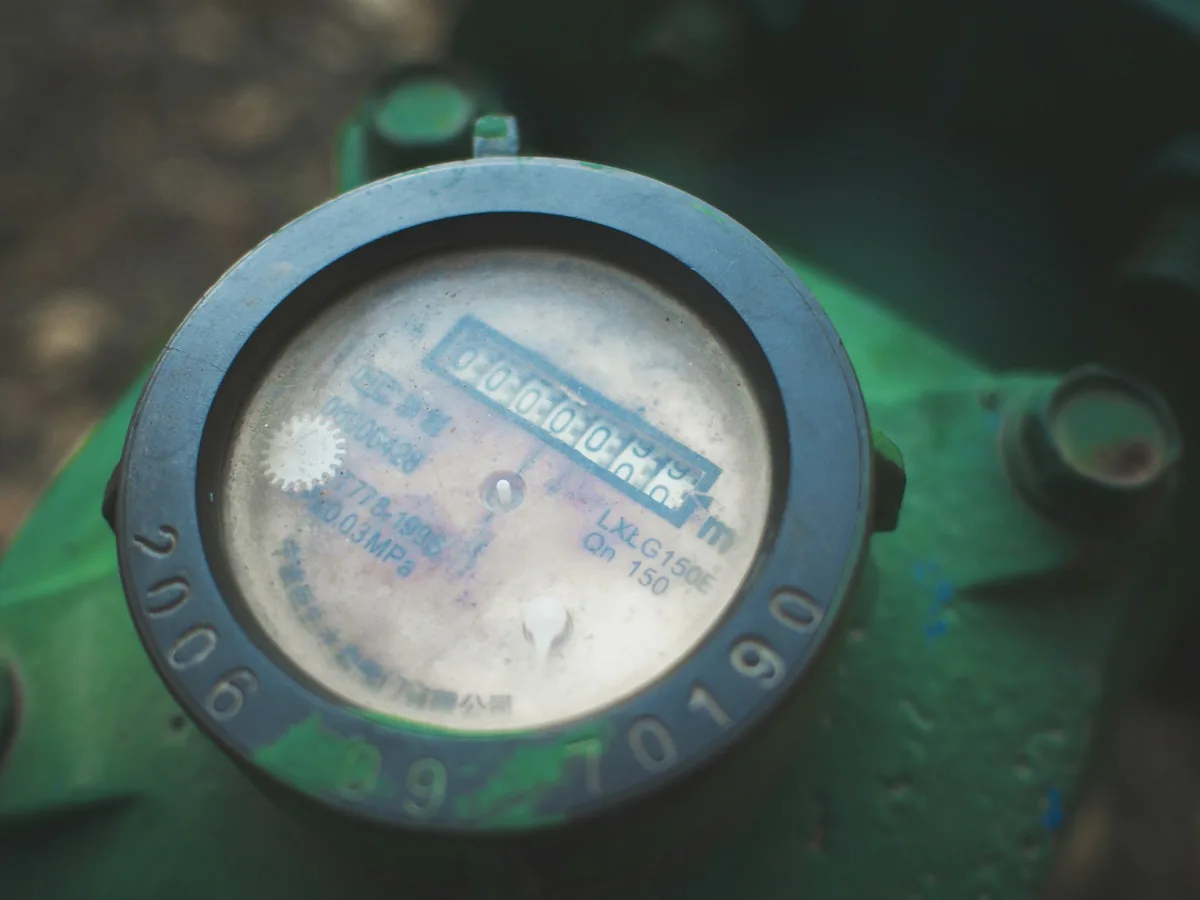
An office estate wants to understand overnight water use.
ObserveCollect meter pulses and apply the verified volume-per-pulse factor.
ActInvestigate sustained nonzero flow during closed hours.
ReviewNight-use trend and days with unusual consumption.
Continuous usage is a clue, not proof of a leak.

A campus has accessible digital heat or electricity meters.
ObserveRead authorized registers over a compatible protocol.
ActReview building baseload and schedule differences.
ReviewNormalized meter usage with reset and missing-data notes.
Meter permissions, registers and units need validation.

A property manager prepares internal utility allocation.
ObserveCollect suitable submeter readings.
ActReview allocation rules and exceptions before distributing costs.
ReviewAllocation worksheet with source readings and agreed factors.
Do not present it as legally valid tenant billing without separate validation.
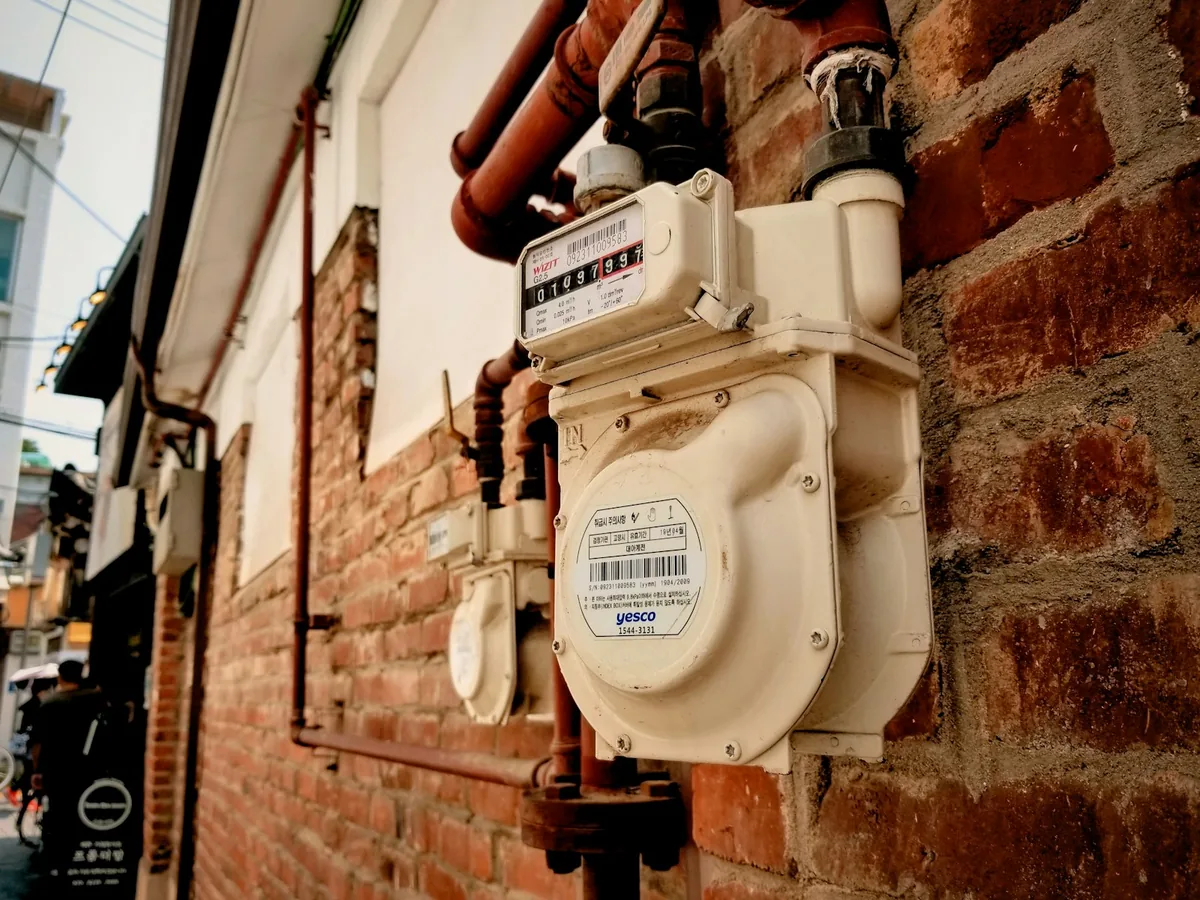
Commercial building: a compatible meter is isolated from the building network.
ObserveAuthorized cumulative readings over a validated meter protocol.
ActForward readings to the selected system and flag missing intervals.
ReviewData completeness and usage deltas with reset notes.
Costs require the correct tariff and are not measured by the router.
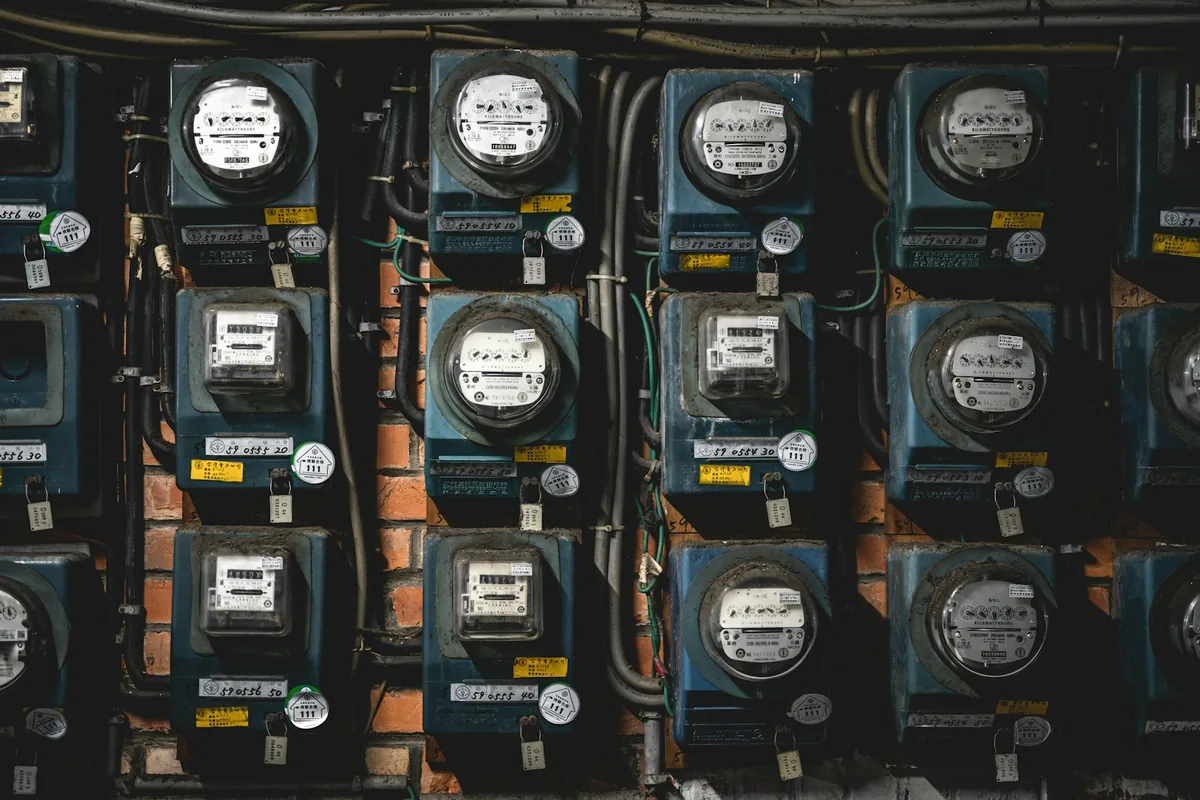
Utility pilot: several meter models must be assessed before rollout.
ObserveA controlled sample of permitted readings from each model.
ActValidate the interface and reject unsupported variants.
ReviewCompatibility matrix, read success and unresolved access requirements.
A successful test on one meter does not certify the whole fleet.
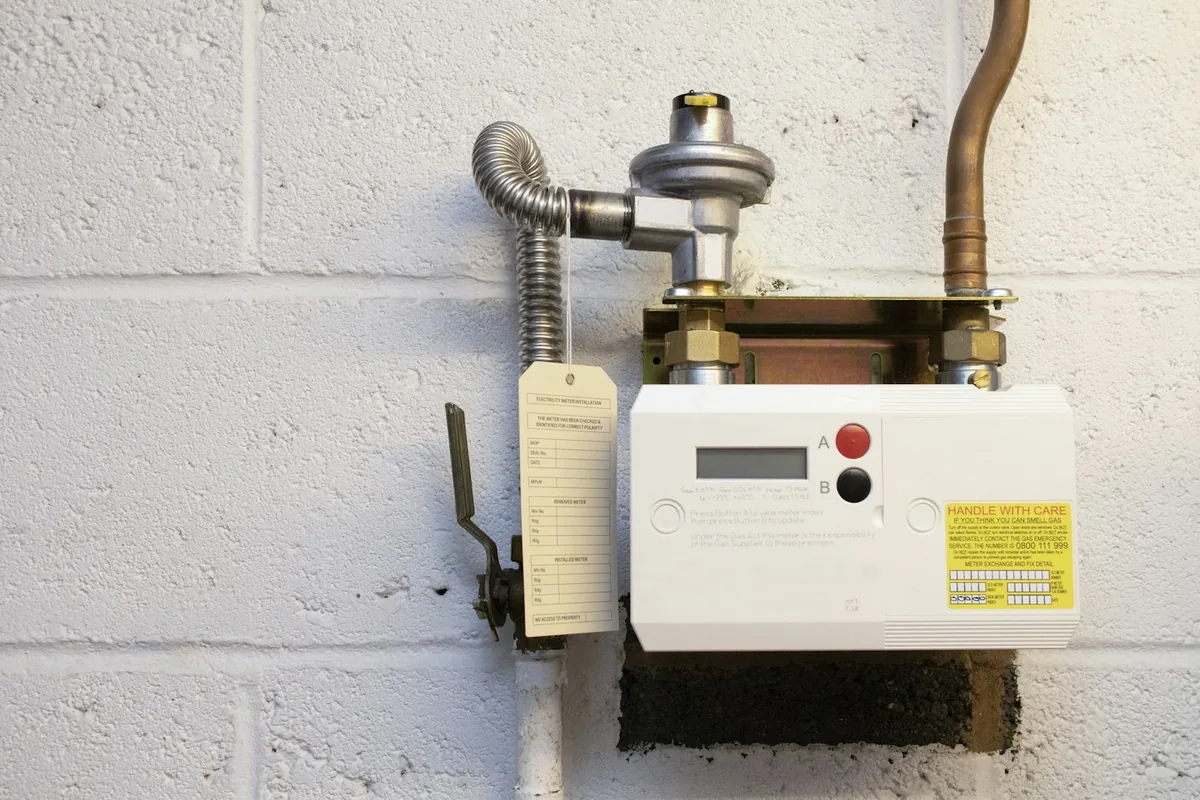
Industrial facility: monthly manual readings arrive inconsistently.
ObserveScheduled meter values from a tested connection.
ActCompare the first period with an approved manual reference.
ReviewCollection gaps and reconciled reading differences.
Do not replace regulated billing records without the operator’s approval.
03 / FROM SIGNAL TO RESPONSE
From observation to action.
Define the signal, the connection and the person responsible for the next step.
View measurements & event details
- Pulse counts from a compatible meter
- Meter registers through supported protocols
- Temperature or humidity on selected pulse-counter hardware
A DEFINED SERVICE SCOPE
What Mytek Pros can help deliver.
Mytek Pros helps San Diego facilities bring compatible utility-meter pulses or digital registers into an agreed reporting system. The scope validates interfaces, units, pulse factors and timestamps, then documents usage trends, baseload and missing readings. Electronic-meter connectivity can include a tested remote data path where needed. Discovery confirms meter access, site scope and integration ownership; billing allocation and cost estimates require separately approved inputs and rules.
Explore service planning for San Diego and California projects. Installation, handover and ongoing support are agreed during discovery for the selected equipment and site.
View planned service deliverables
- Meter interface and pulse-factor validation
- Read-only integration or approved connection design
- Unit and time alignment
- Site and period reporting
THE RECORD YOU KEEP
Your reporting scope.
A configured Mytek Pros service can turn the selected measurements into:
- Consumption by hour, day and billing period
- Night-use and unusual-change flags
- Estimated cost or emissions only with supplied tariff and factor data
Configurable project options; confirm scope during discovery.
Related approach: Meter Data Connectivity
Bring readings from compatible electronic meters into an agreed reporting system. A scoped service can use supported meter protocols and cellular backhaul to collect permitted values without assuming that every meter needs to be replaced.
Meter data is useful only when the meter, protocol and units are understood. Serial settings, access rights, register mapping and time alignment determine whether a reading is usable. The service separates the connection work from billing, tariff interpretation and energy-management decisions.
Service scope
- Confirm meter model, data access rights and supported protocol.
- Validate serial settings and a small set of approved readings.
- Configure permitted polling and secure delivery to the chosen destination.
- Document units, timestamps, missing-data rules and integration ownership.
What this supports
- Reduce manual transfer of supported meter data.
- Make missing readings easier to detect.
- Create a documented foundation for downstream usage reporting.
Measurements & events
- Successful meter-read intervals
- Missing, stale or rejected readings
- Reported meter values with verified units
- Consumption deltas only from suitable cumulative readings and reset handling
Reporting
A proposed meter-data report can show collection completeness, exceptions and validated usage trends after integration. Tariff cost, utility reconciliation and billing accuracy require additional data and approved calculation rules. Connectivity hardware is not itself a revenue-grade meter.
Requirements
- Compatible DLMS or other supported meter interface
- Meter permissions, data definitions and any required keys handled securely
- Cellular service and suitable power
- Meter-data receiver, storage, reset handling and report integration
Protocol support does not guarantee compatibility with every meter or utility configuration. No utility-billing certification or guaranteed energy savings is implied. Remote meter writes are outside the default data-collection scope.
Facilities teams, utility operators and energy-data managers
Check electronic-meter integration feasibility →04 / DISCOVERY & DESIGN
Before installation.
Confirm compatibility, placement and operating responsibilities for your site.
What we’ll work through
- The original meter determines what is measured and its accuracy
- A pulse sensor is not itself a gas or electricity meter
- Billing-grade allocation needs approved metrology and contractual review
- Monetary and emissions calculations are estimates with documented inputs
Tell Mytek Pros about your site, existing systems, and the decisions you want the data to support.
Check meter integration with Mytek Pros ↗EXPLORE CONNECTED APPLICATIONS